Every software company is currently rushing to add an “AI feature” to their product. Driven by market pressure, many simply slap a chatbot in the corner of their dashboard, call it an “intelligent assistant,” and draft a press release. But forced AI feature integration usually frustrates users more than it helps them. The future of software isn’t about bolting AI onto the side; it’s about weaving it natively into the user’s workflow.
The problem with the generic chatbot
We are experiencing AI fatigue. Users are tired of generic, conversational interfaces that act as poorly disguised search bars. If a user is in your project management app trying to change a due date, making them type a prompt into an AI chat window is significantly slower than just letting them click a calendar icon. AI should remove friction, not add conversational steps to simple tasks.
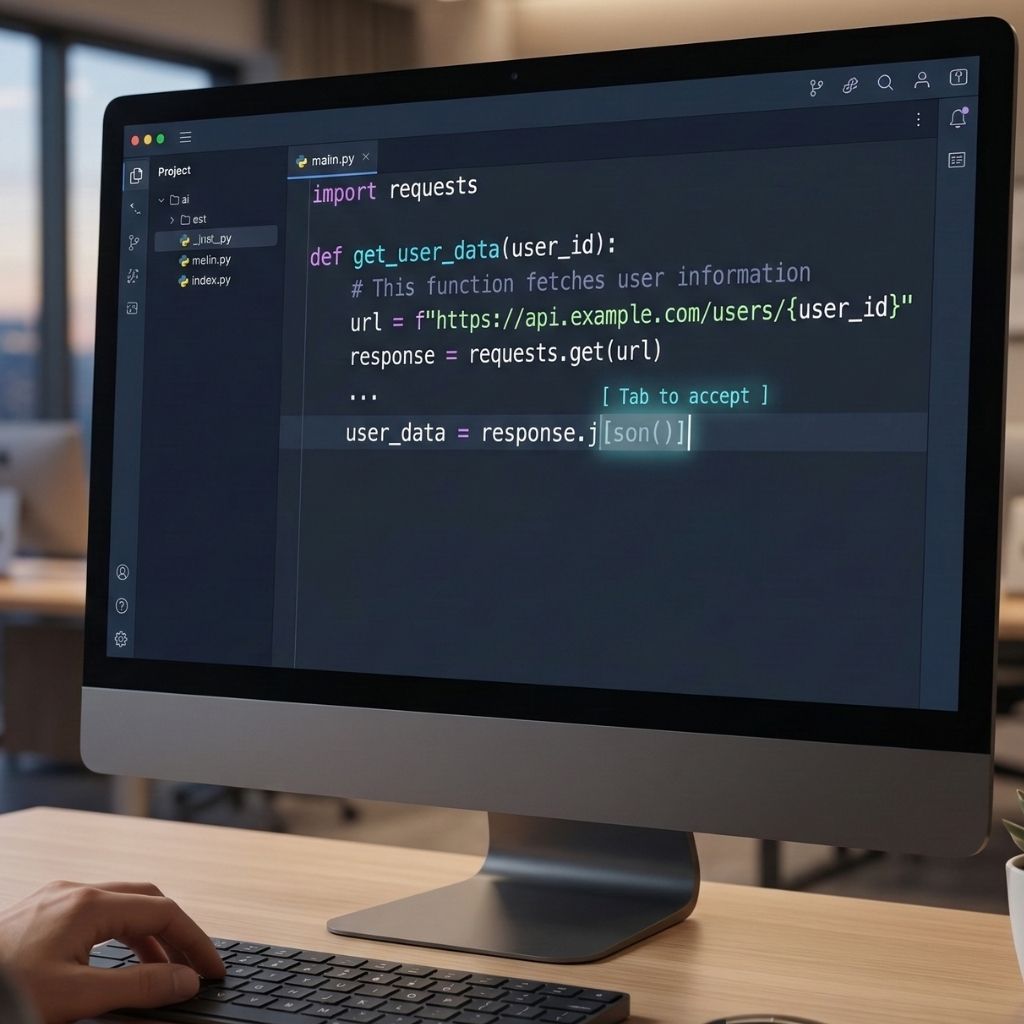
You’ll typically see the best implementations of AI operating invisibly in the background. Instead of asking the user what to do, the system anticipates the need, like an email client predicting the rest of your sentence, or a CRM automatically tagging a lead based on sentiment analysis.
Designing for AI-native workflows
True AI integration requires rethinking the interface. Instead of a chatbot, consider contextual AI. If a user is staring at a blank text document in your app, AI feature integration means providing a “Generate Outline” button right next to their cursor. If they are looking at a complex data table, the AI should offer a one-click “Summarize Trends” button.
By placing the AI capabilities exactly where the user is already looking and working, you lower the cognitive load. The technology feels like a natural extension of the tool they already know how to use, rather than a separate, intimidating module they have to learn to interact with.
Enhancing the core value proposition
Before integrating Large Language Models (LLMs) or generative tools, ask yourself: does this actually make our core product better, or is it just a gimmick? AI should be used to accelerate the time-to-value for your user. Whether it’s through intelligent search, automated data entry, or predictive analytics, the best AI features are the ones the user eventually takes for granted because they simply make the software feel like magic.