The traditional B2B software demo is often a necessary evil: a dry, feature-heavy screencast led by a monotone narrator clicking through drop-down menus. While these videos check a box for the product team, they do very little to inspire the buyer. The challenge for B2B marketers isn’t just showing how the software works; it’s using medium-format video to tell a compelling story about why the software matters.
Shifting from features to transformations
The fundamental flaw in most product demos is that they focus entirely on the tool, rather than the user. A high-converting medium-format explainer flips this script. Instead of starting with the dashboard, it starts with the pain point. It introduces a recognizable problem, builds empathy, and then introduces your software as the hero of the story.
You’ll typically see the most successful SaaS companies using live-action footage of real people struggling with a workflow, seamlessly transitioning into dynamic, stylized animations of their software solving that exact problem.
The power of dynamic visual pacing
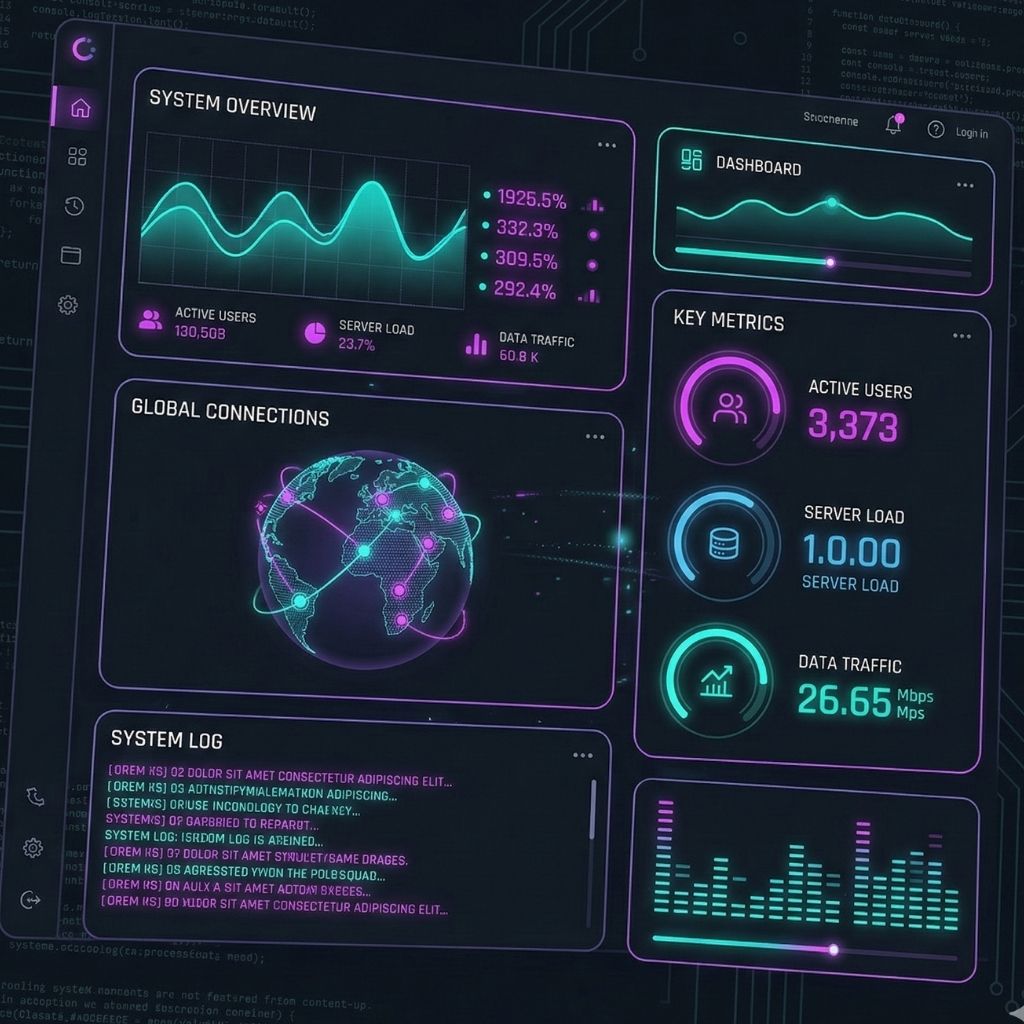
Staring at a static screen recording for ten minutes is agonizing. To make a software demo engaging, the video needs a dynamic pulse. This is where advanced post-production techniques come into play. Instead of static screencasts, modern B2B videos use smooth camera pans across the interface, highlighting key features with glowing UI elements, and cutting back and forth between the software and a charismatic on-camera presenter.
By treating the software interface as an active character in the video rather than just a static backdrop, you keep the viewer visually stimulated. Pacing the edits to an upbeat, professional soundtrack further prevents the energy from dragging, ensuring the prospect actually makes it to your call-to-action at the end of the video.
Integrating demos into your sales funnel
Where you place these narrative-driven demos dictates their impact. An engaging, 8-minute medium-format explainer shouldn’t be buried on a “Help” page. It should sit proudly on your homepage, be pinned to the top of your YouTube channel, and be used proactively by your sales team in follow-up emails. When your product demo stops feeling like an instruction manual and starts feeling like a mini-documentary, your conversion rates will reflect the difference.